


Minimalist home decor ideas for small flats in the UK
Why does my small flat feel cluttered even when I don’t own much?
This is one of the most common frustrations in UK flats, especially newer builds and converted apartments. The issue is rarely “too many things”. It’s usually visual noise created by the space itself.
Most small flats combine:
low ceilings or awkward proportions
limited natural light (especially north-facing rooms)
too many visible materials (radiators, cables, storage units, kitchen edges)
Minimalist design works here, but not by removing everything. It works by controlling what your eye lands on.
If your flat feels cluttered even when it’s tidy, the problem is usually contrast and interruption, not quantity.
What does minimalist interior design actually mean in a small UK home?
Minimalism is often misunderstood as “empty rooms” or “white everything”. In small UK flats, that approach usually makes spaces feel colder and more temporary, not calmer.
Real minimalist design is about reducing visual decisions per view.
That means:
fewer competing colours in one sightline
fewer material changes (e.g. wood → tile → metal → fabric all at once)
fewer “objects shouting for attention”
A small flat feels bigger when your brain can take in the space in one calm reading, instead of processing lots of separate details.

What colours work best in minimalist small flats?
People often default to brilliant white because it feels safe. But in UK light (often grey or low winter sun), pure white can create shadows that make corners feel harsher.
Better minimalist palettes for small flats are:
warm off-whites (with a slight beige or plaster tone)
soft greys with warmth, not blue undertones
muted earthy tones like clay, sand, or stone
you can absolutely use colours if you want, mix up the different shade or tone of the same colour for a designer look
The key question to ask is:Does this colour soften the light or sharpen it?
Softening usually wins in small spaces.
How do you make a minimalist flat feel warm, not empty?
This is where most people go wrong. They remove too much, then try to fix the emptiness with random cushions, prints, or “feature” items.
Warm minimalism comes from layering texture instead of objects.
For example:
linen curtains instead of blinds alone
a wool rug instead of bare flooring
plastered or softly textured walls instead of flat paint everywhere
wood tones repeated consistently (not scattered different finishes)
Warmth in minimalism is not decoration. It is repetition and softness.
How do you choose furniture for a small minimalist flat?
The mistake is choosing “small furniture”. That often makes the room feel more cluttered, because everything becomes visually fragmented.
Instead, think in terms of:
fewer, larger pieces
furniture that sits low and visually light
pieces that don’t visually “stop” the room (open legs, slim profiles)
A sofa that is slightly larger but cleaner in shape often works better than multiple small chairs and stools fighting for space.
Ask:Does this piece simplify the room or add another visual stop?
How do you deal with storage in minimalist small flats?
Minimalism only works if storage is designed into the system, not added later.
In UK flats, storage mistakes usually come from:
freestanding cupboards added after the fact
visible clutter zones (hallways, kitchen counters, sofa corners)
not using full wall height
Better approach:
built-in or visually “quiet” storage
closed storage as default, open storage only for curated items
using vertical space properly (full-height wardrobes, wall cabinets)
If storage is visible and inconsistent, the space will never feel minimalist, no matter how tidy it is.
How do you avoid a minimalist flat feeling cold or “rental-like”?
This is especially important in UK rental and new-build flats, where materials are often generic.
The feeling of “coldness” usually comes from lack of identity, not lack of colour.
You fix it by introducing consistency in:
metal finishes (don’t mix too many tones)
wood tones (stick to one family)
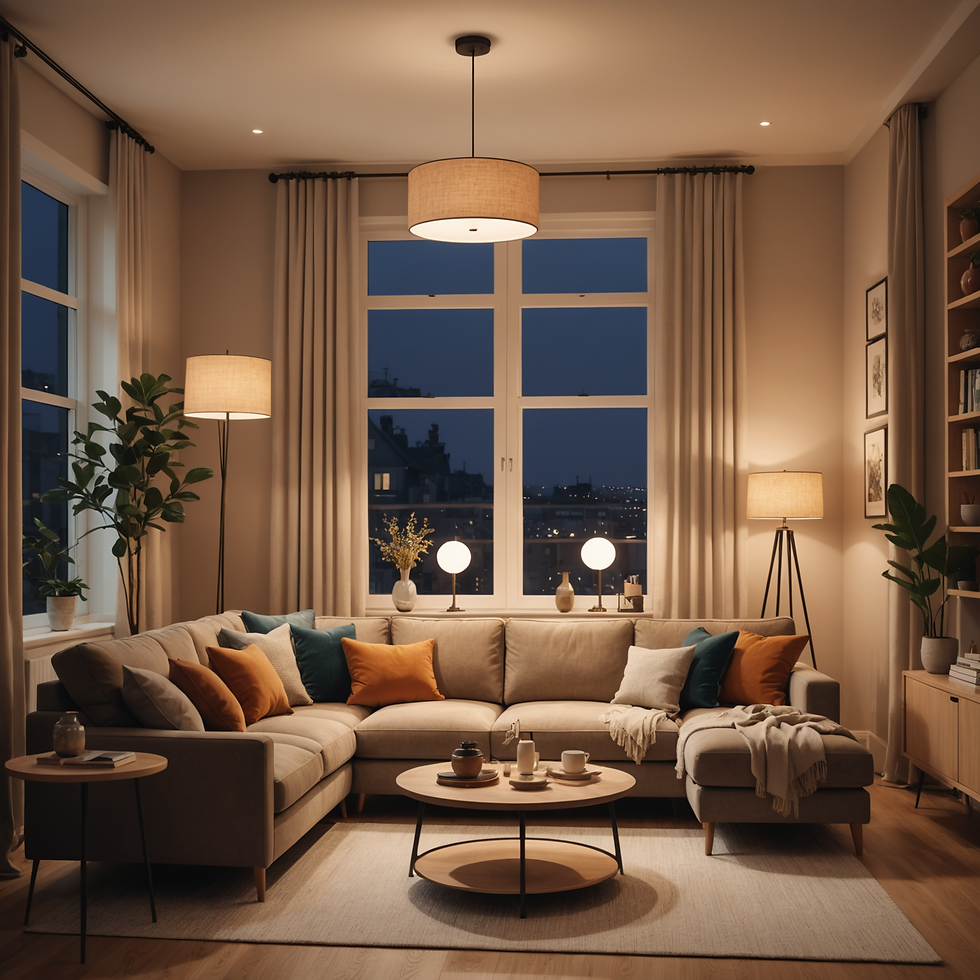
lighting temperature (warm, layered lighting instead of one ceiling light)
Minimalism becomes personal when it is consistent, not when it is decorative.
What is the biggest mistake people make with minimalist small flats?
Trying to make every area “look styled”.
In small spaces, every styled corner competes for attention. That creates fatigue rather than calm.
The goal is not to design every part of the flat equally. It is to create visual resting zones.
Some areas should simply disappear into the background so that key moments (a sofa, a dining area, a view) can breathe.
Final thought: what makes minimalist design actually work in small UK flats?
Minimalism in small homes is not about reduction for its own sake.
It is about controlling visual pressure.
When a space feels calm, it’s usually because:
fewer decisions are competing in each view
materials are consistent
storage removes interruption
and light is treated as part of the design, not an accident
That’s what makes a small flat feel larger without changing its footprint.


https://xosoplus.mobi/soi-cau-lat-lien-tuc.html mình lướt thấy bạn bè nhắc nên bấm vào coi thử cho biết, kiểu tò mò giao diện thôi chứ mình cũng không phải dân soi cầu gì. Vào trang thấy họ chia mục XSMB theo ngày nên nhìn cái là biết đang ở phần nào, đỡ phải mò. Mình để ý nhất là danh sách lô tô: bấm vào từng số là nó nhảy ra thống kê cầu cụ thể, tiện hơn nhiều so với tự ngồi dò tay. Mà họ tô màu cam/xanh để phân biệt nên mắt bắt nhanh, nhất là lúc kéo xuống dưới xem bảng kết quả. Nói chung bố cục dạng khối với bảng số xếp cột khá gọn, danh sách lô tô…
ball88.blog mình ghé thử đúng kiểu lướt cho biết thôi vì thấy mọi người nhắc. Không đăng ký hay bấm chơi gì, chỉ xem giao diện với cách họ trình bày nội dung. Cảm giác đầu tiên là trang nhìn hiện đại, chia khối rõ nên đọc không bị rối mắt, kéo xuống vẫn theo kịp. Mình có thấy họ giới thiệu là tích hợp hơn 20.000 trò, nghe con số vậy tưởng sẽ nhồi nhét lắm, mà hóa ra họ sắp xếp khá gọn nên không bị “ngợp”. Mấy tiêu đề đặt nổi, chữ dễ nhìn, chuyển qua lại giữa các mục cũng nhanh vì menu nằm chỗ dễ thấy. Nói chung lướt vài phút thôi mà thấy bố…
bongdalu 808 hôm bữa mình lướt thấy người ta nhắc nên cũng bấm vào coi thử cho biết, kiểu xem giao diện ra sao thôi chứ không ngồi đọc kỹ. Cảm giác đầu tiên là trang này làm phần tỷ số trực tuyến nhìn khá “đã”, cập nhật theo dạng khối nên mắt bắt thông tin nhanh, kéo xuống cũng không bị loạn. Mình thích cái cách họ canh chữ với cột gọn gàng, nhìn trên màn hình điện thoại vẫn ổn, không phải zoom tới lui. Với lại menu mấy mục chính đặt khá lộ, nên muốn nhảy qua xem nhanh cũng tiện. Nói chung lướt vài phút thấy bố cục ưu tiên dữ liệu, nhất là mấy box…
keo nha cai 5 hôm bữa mình vào thử lúc đang rảnh, kiểu chỉ định xem giao diện có dễ lướt không thôi. Trang này mình thấy họ sắp bài theo dạng danh sách nên nhìn cái là bắt nhịp được ngay, không phải bấm qua lại nhiều. Có trận Stjarnan vs Valur (02h15 ngày 18 07) hiện khá rõ, kèm vài dòng mô tả ngắn nên mình đọc lướt vẫn hiểu đại khái bối cảnh trận. Mình cũng thích chữ với khoảng cách dòng vừa mắt, cuộn trên điện thoại không bị “ngợp” như mấy trang nhét quá nhiều thứ một lúc. Nói chung cảm giác họ chia nội dung thành từng khối riêng, tiêu đề trận và giờ…